Showing posts with label Foody Travel. Show all posts

Wednesday, 11 March 2020

Food Chronicles | O Boteco (Lisbon)

Photo via O Boteco


O Boteco is Chef Kiko's latest restaurant, which at the heart of Largo Camões, in Chiado, could not have a better location. The interior is unpretentious, as expected from a good "boteco", a traditional establishment without luxuries. The atmosphere is relaxed and cheerful, and the decor is captivating, combining Portuguese and Brazilian elements in a successful wedding. The high ceilings, the panoramic windows that, during the day, flood the room with light, the chandelier of green bottles, which I had only seen in Brazil, and a stunning piece from Bordalo II, that unites Portugal and Brazil in one boat that carries symbols and images of these two poles of the Portuguese language, complete the scenery for the gastronomical experience.

Francisco Martins (Kiko) was born and spent the first 11 years of life in Brazil and this restaurant brings the memories of those childhood years on the menu. "Farofa", "pastéis de vento", "tapioca", "feijoada" and "quindim", cross the menu and, through the Chef's creativity, touch, here and there, very Portuguese flavors like clams, octopus and "pastel de nata".

A beautiful location and inspired cuisine are also supported by a professional, friendly and dynamic service that ends up offsetting the need for waiting that the strong influx of clients can condition.


O Boteco é o mais recente restaurante do Chef Kiko, que em pleno Largo Camões, no Chiado, não poderia ter melhor localização. O interior é despojado, como manda a um bom boteco, estabelecimento tradicionalmente sem luxos, a atmosfera descontraída e alegre, e a decoração cativante, cruzando elementos portugueses e brasileiros num casamento bem conseguido. O pé direito a perder de vista, as janelas panorâmicas que, durante o dia inundam a sala de luz, o lustre de garrafas verdes, que eu só tinha visto no Brasil, e uma impressionate peça de Bordalo II que une Portugal e Brasil num barco que carrega símbolos e imagens destes dois polos da língua portuguesa, completam o cenário para esta experiência gastronónica.

Francisco Martins (Kiko) nasceu e passou os primeiros 11 anos de vida no Brasil e este restaurante traz no menu as memórias desses anos de infância. Farofa, pastéis de vento, tapioca, feijoada e quindim, cruzam o menu e, através da criatividade do Chef, tocam aqui e ali sabores bem portugueses das amêijoas, do polvo e do pastel de nata.

Um local bonito e uma cozinha inspirada são ainda apoiados por um serviço profissional, cordial e dinâmico que acaba por compensar a necessidade de espera que a forte afluência de clientes pode condicionar. 


Curious? So were we,  and decided to use the excuse of a dinner with friends to visit O Boteco. Of the many wonderful experiences we brought from our 5 years in Brazil, the friendships we made there are among the most valuable. And when it comes to choosing a place to meet a couple of old and dear friends from our Brazilian days, no other restaurant could be more appropriate.

Boteco presents a wide variety of starters and petiscos, strongly inspired by Brazilian flavors. We chose Cozido à Portuguesa croquettes, the most Portuguese choice on the menu and we have no regrets. They were so good that we had to repeat. All duly accompanied by the unavoidable caipirinhas (one of lemon and the other of passion fruit!) and ice cold beers, as the tradition of any self-respecting "boteco" requires.


Curiosos? Nós também estávamos e decidimos aproveitar um jantar com amigos para visitar O Boteco. Das muitas vivências maravilhosas que trouxemos dos nossos 5 anos no Brasil, as amizades que aí fizemos são das mais valiosas. E no momento de escolher um local para revermos um casal amigo, nenhum outro restaurante poderia ser mais apropriado. 

O Boteco apresenta uma grande variedade de entradas / petiscos, fortemente inspiradas nos sabores brasileiros. Nós optámos pelos croquetes de cozido, a escolha mais portuguesa do cardápio e não nos arrependemos. Estavam tão bons que tivemos de repetir. Tudo devidamente acompanhado pelas incontornáveis caipirinhas (uma de limão e a outra de maracujá!) e por cervejas geladas, como manda a tradição de qualquer boteco que se preze.


Photo via O Boteco

Photo via O Boteco

Photo via O Boteco


In the main dishes, there are also several alternatives, including a vegetarian dish. The men opted for the Brazilian feijoada and the wagyu "picanha", while the ladies did not hesitate to choose the shrimp and codfish "bobó", that was superb. The tasty feijoada, left the hubby longing for more, while and the meat, super tender, perfectly satisfied.

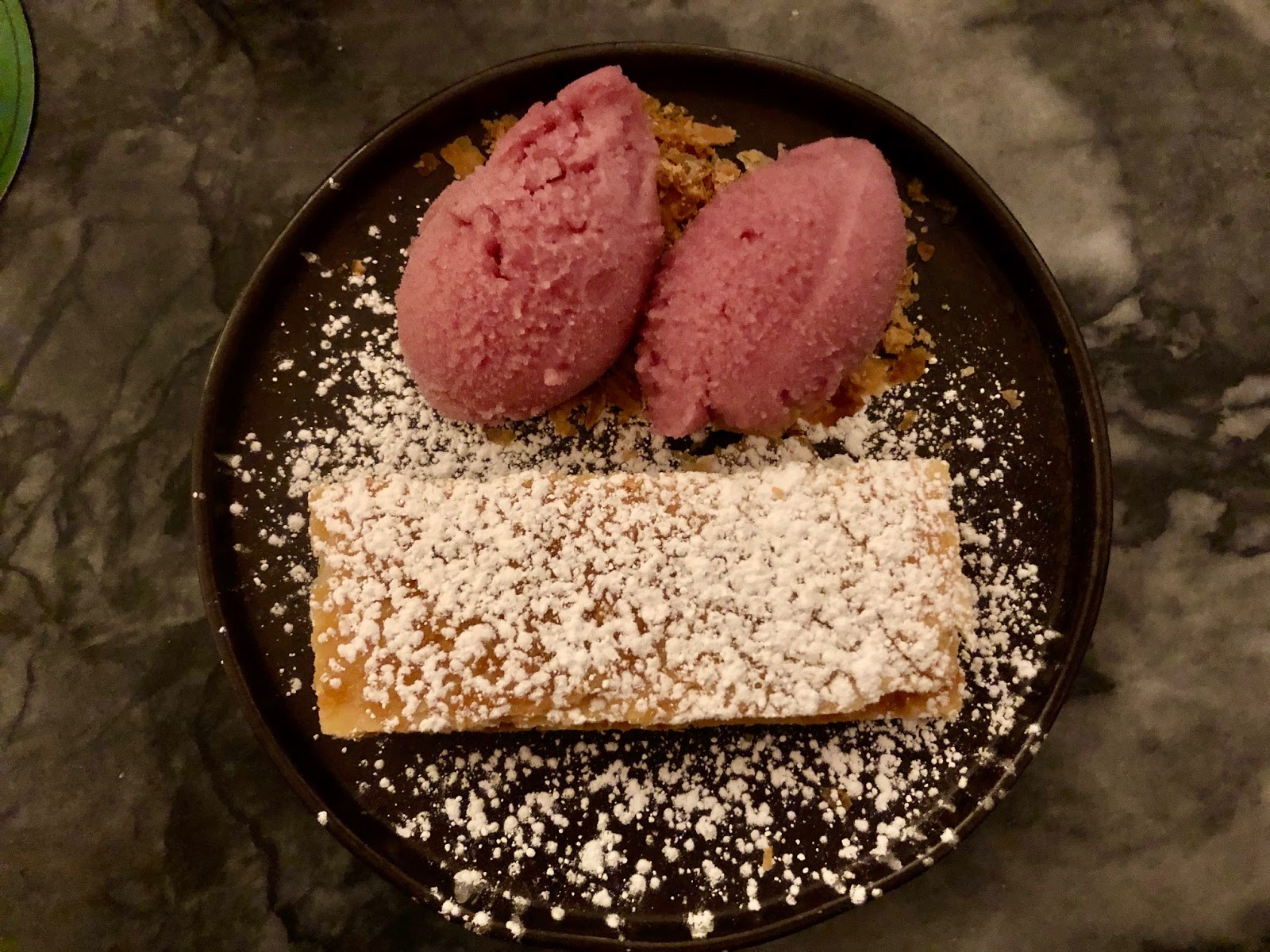
At dessert time I didn't think twice. I had done my homework and the choice was made: quindim with creamy coconut tapioca and passion fruit and coriander gel. As they say in Brazil, to eat while praying! Another possible choice, with a more Portuguese vibe, is the pastel de nata mille-feuille with Port wine ice cream. It pleased, but it does not excel the quindim!


Nos pratos principais também são várias as alternativas, incluindo um prato vegetariano. Os homens optaram pela feijoada à Brasileira e pela picanha de wagyu enquanto as senhoras não  hesitaram em escolher o bobó de camarão e bacalhau que estava soberbo. A feijoada saborosa, soube a pouco e a carne, tenrissíma, satisfez na perfeição.

Na hora da sobremesa não pensei duas vezes, tinha feito o trabalho de casa e a escolha estava preparada: o quindim com tapioca de coco cremosa e gel de maracujá e coentros. Como se diz no Brasil, de comer rezando! Outra escolha possível, com uma vibe mais portuguesa, é o mil folhas de pastel de nata com gelado de vinho do Porto. Agradou, mas não ultrapassa o quindim!


Photo via O Boteco


O BOTECO
Praça Luís de Camões, 37 (Chiado) - Lisboa

Monday to Sunday, 12:30 to 23:30


O Boteco Menu, Reviews, Photos, Location and Info - Zomato


Wednesday, 10 July 2019

Food Chronicles | 10 Things to Eat & Drink in Prague


I must confess that I didn't knew much about the Bohemian cuisine previous to my visit to Prague, so I went to the city without any preconceptions or specific goals (apart from all the stunning Trdelnick with ice cream that invaded Instagram!). After 6 days of careful study and field research, I'm sharing with you some of the foods and drinks you should give a go when visiting Prague.


ROASTED DUCK


Roasted Duck is a staple of Czech cuisine, and an indispensable part of many Sunday lunches eaten in the family circle.  I love duck and on our visit to Plzenska Restaurant, ordered the Classic Czech Golden Roasted Duck.  The duck confit was scrumptious, juicy and tender and paired perfectly with sauerkraut and bread dumplings that accompanied it. Being a traditional recipe, duck can be found on the menu of many restaurants, you can combine it with fresh Pilsner, balancing the rich, sweet and tangy notes of the plate with the bitter  flavor of the beer.


ROASTED PORK KNUCKLE


The  Pork knuckle from Pork's was our first meal in Prague, and what a meal it was! Golden, crispy outside, melting inside, paired with mustard, horseradish, sauerkraut and chips, it was enough for two and absolutely delicious. For drink we choose dark lager (Kozel Černý) and it tasted like a match made in haven.


BOHEMIAN BEER


Beer brewing in Bohemia dates back to the 1200s, from the city of Pilsen. Czech Republic presents a world-leading annual per capita consumption rate of 160 liters of beer, so you can bet that its not difficult to find a place to have some of the national favorite drink. In Prague, most of the places seem to have mostly the same brands (more commercially known, but very nice nevertheless), but if you are a  connoisseur, you may want to look for more traditional or artisanal breweries.


GOULASH


Goulash is not strictly a Czech recipe, being a staple dish shared all across the former Austro-Hungarian Empire. The Czech version is kind of a thicker stew, including meat, potatoes and other vegetables, many times served with dumplings and present in many restaurant menus. In a number of places it was served inside a bread what results in quite an appealing idea (a little touristy, though). Spiced and served hot, this rich soup is perfect for colder days and can be a full meal by itself. With a fresh Pilsner, you get the perfect pairing.


SVICKOVA


Svickova, is a classic Czech dish made for weddings or Sunday family lunches and present in numerous restaurant menus. The roasted sliced beef  is surrounded with a creamy vegetable sauce,  and it is served with bread dumplings. Although it may look plain, the meet is tender and the combination of all the flavors is comforting. Had it with beer, but I'm sure it goes well with a nice red wine.


DUPLINGS


Originally was served as a main dish, filled with meat and vegetables. Today, Knedlíky are a staple food of Czech cuisine and are served on the side of many traditional dishes. The Czech dumplings are boiled (not baked) and then sliced. The soft pieces of dumpling are typically used to soak up meat and vegetables sauces and can be found in most restaurants. We loved them!


MORAVIA  WINE


Wine in the Czech Republic is produced mainly in southern Moravia region. Although production centers on local grape varieties, there has been an increase in the production of established international strains such as Cabernet Sauvignon. We had a J. Stavek rosé wine and it did not disappointed us.  In the aroma of this fruity wine we could smell red fruits notes (red currants, raspberry, strawberry and cherries). The taste was fresh, with some  acidity, and with a reminiscent flavor of cherry.


BEEF STEAK TARTARE


Steak tartare is a Czech classic you should not leave Prague without tasting. It’s raw beef that is cut, scraped or minced and served with condiments and either an egg on top, or already mixed. If you wonder how to eat it, with toasted bread and a clove of garlic is the simple answer. The raw meat comes with  a number of spices and sauces and goes perfectly with  beer.


TRDELNICK


Just walk around in Prague and you can find a large number of people eating a characteristic kind of cones (usually with ice cream). It's trdelnick or trdlo. This kind of cake is made from rolled dough that is wrapped around a stick, then grilled and topped with sugar and walnut mix. These days, the cones get more fancy and are filed with ice cream and toped with all sorts of colored mixtures. My favorite part was actually the crispy caramelized dough, that must be delicious warm with hot coffee in a cold winter day.


PATISSERIE


The patisseries, cafés and tea rooms in Prague owe nothing to the ones in Vienna and you can find there some the most beautiful and mouthwatering cakes, and certainly, much more than you  should dare to eat. I couldn't resist this black forest cake from Kavárna Café, at Obecní dům (Municipal House). Fresh flavors of the red fruits contrast perfectly the chocolate and cream combination. Heaven!


Thursday, 6 June 2019

Chronicles from Lisbon | Jacaranda Season


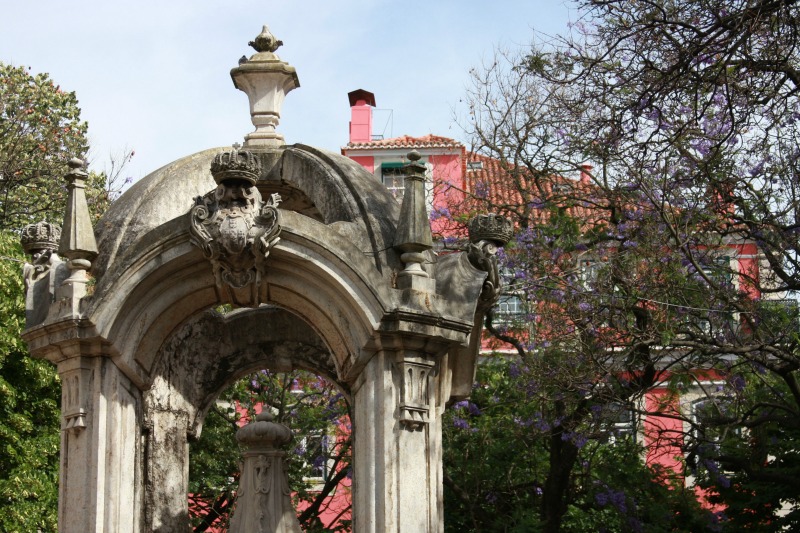
Spring is perhaps the best time of the year for you to visit Lisbon. The weather is good, with sunny and warm days, but usually far from the burning hot temperatures of Summer, the streets are less crowded (or used to be!), the prices are more friendly, and, if you get here from May to June, you'll be privileged to enjoy the Jacaranda trees blooming season, with some areas of the city covered in purple. Lisbon is home to more than 2,000 jacaranda trees and would be impossible to map every single one. Nevertheless, in this post, I'll lead you to some of my favorite spots for this Jacaranda crush, and if any of you readers can give me some tips, I'll be more than thankful!


A Primavera é talvez a melhor época do ano para se visitar Lisboa. O tempo está ameno, com dias de sol mas, geralmente, longe das altas temperaturas escaldantes do Verão, as ruas estão menos cheias de transeuntes e turistas (ou costumavam estar!), os preços são mais comedidos e, se chegar aqui entre Maio a Junho, terá o privilégio de aproveitar a temporada de floração dos jacarandás, com algumas áreas da cidade sob um manto púrpura. Lisboa tem, nas suas ruas e jardins, mais de 2.000 jacarandás e seria impossível mapear cada um deles. No entanto, neste artigo, vou levar-vos para alguns dos meus lugares favoritos, e se algum dos leitores puder dar sugestões sobre outros locais a acrescentar no meu mapa, eu ficarei mais do que grata!


LARGO DO CORREIO MOR


One of my recently discovered hot spots is Largo do Correio Mor. In front of the palace that once was the headquarters for the post services of Lisbon, one can find a small square with a fountain and Jacaranda trees. The floor is covered with purple flowers that keep falling from the trees above and resting for a while on one of the benches is a treat for the senses.


Um dos Jacarandá hot spots recentemente descobertos é o Largo do Correio Mor. Em frente ao palácio que outrora foi a sede dos correios de Lisboa, encontra-se um pequeno largo com uma fonte e árvores de jacarandá. O chão está coberto com flores lilases que caem continuamente das árvores. Vão até lá e aproveitem para descansar um pouco num dos bancos. É um deleite para os sentidos!


LARGO DO CARMO


Another special place for Jacaranda lovers is Largo do Carmo. This square, loaded with historical significance for Portugal is a must visit in Lisbon and if you came to the city in the Spring, the bonus of a purple canopy while enjoying a drink or a meal in one of the terraces is something that you won't forget. As you are there, go to Elevador de Santa Justa, and from its terrace, take a look at Rossio Square, also lined with these lovely trees.


Outro lugar especial para os amantes dos jacarandás é o Largo do Carmo. Esta praça, carregada de significado histórico para Portugal, é uma visita obrigatória em Lisboa e se chegou à cidade na Primavera, terá de bónus de um dossel roxo enquanto desfruta de uma bebida ou uma refeição num dos terraços. Já que está aí, vá até ao Elevador de Santa Justa, e do seu terraço, aviste a Praça do Rossio, também ela rodeada destas árvores encantadoras. É para lá que iremos a seguir.


ROSSIO


Rossio, once a Roman hippodrome, is a landmark in the city and a focal point of Downtown Lisbon. In the Spring, the purple flowers on the trees lining the square contrast with the black and white patterns of the traditional cobblestone pavements.


O Rossio, outrora um hipódromo romano, é um marco na cidade e um ponto central da Baixa de Lisboa. Na Primavera, as flores roxas nas árvores que cercam a praça contrastam com os padrões a preto e branco da calçada portuguesa.


PARQUE EDUARDO VII


Parque Eduardo VII is not only granting a superb view of the city but is also the house of a large number of Jacaranda trees that in the springtime add to its beauty. Walking along the purple lanes or looking at it from higher grounds can be a truly relaxing experience.


O Parque Eduardo VII não garante apenas uma vista soberba da cidade, mas abriga também um grande número de jacarandás que, na primavera, aumentam sua beleza. Caminhar ao longo das áleas lilases ou olhar o panorama do parque a partir de um ponto mais elevado pode ser uma experiência verdadeiramente relaxante.


These photos were taken from the rooftop terrace of the Four Seasons Hotel Ritz Lisbon, and if you're looking for a place to stay that grants your a total immersion in the purple season, this is it. Not only you can enjoy this stunning view from your room, but the Ritz also provides its guests with some lilac experiences.


Estas fotos foram tiradas do terraço do Four Seasons Hotel Ritz Lisbon, e se procura um lugar para ficar que lhe dê uma total imersão na temporada lilás de Lisboa, este é o local. Não só pode desfrutar desta vista deslumbrante do seu quarto, mas o Ritz também oferece aos seus hóspedes algumas experiências sob o tema das flores de jacarandá.


The fragrant flowers have served as inspiration for the Hotel’s new Jacaranda Afternoon Tea, which features an artistic array of sweet delicacies created by Executive Pastry Chef Fabian Nguyen. The floral presentation of the Jacaranda Afternoon Tea is a feast for the eyes. There are of course the traditional freshly-baked scones served with the Nguyen’s home-made raspberry jam and zesty lime mascarpone, and also mouthwatering cassis tartelettes, raspberry choux, bite-sized blueberry gâteaux, tiny lilac macarons, mini lilac glazed éclairs infused with the lightest vanilla mousseline, and even edible chocolate branches.


As flores perfumadas serviram de inspiração para o novo Jacaranda Afternoon Tea do hotel, que apresenta uma variedade artística de iguarias doces criadas pelo chef executivo de pastelaria Fabian Nguyen. A apresentação floral do chá da tarde Jacaranda é uma festa para os olhos. Inclui, é claro, os tradicionais scones, acabados de fazer, servidos com a geléia de framboesa caseira e mascarpone de limão picante, além de tartelettes de cassis (de dar água na boca!), choux de framboesa, pequenos gâteaux de blueberry, minúsculos macarons lilás, éclairs recheados com mousseline de baunilha, e até ramos de chocolate comestíveis.


Just across from the Ritz Bar, jacaranda blossoms create a unique purple canopy all along Rua Castilho and Parque Eduardo VII. There you can sit back and enjoy the chromatic spectacle with an 18 3838 cocktail in hand. The name of this floral-themed drink refers to Pantone’s 2018 colour of the year, Ultra Violet - the dramatically provocative and thoughtful purple shade, as enigmatic as its gin cocktail counterpart, filled with blackberries and blueberries to give it its unique hue and topped with crystalised violets.


Em frente ao Ritz Bar, as flores de jacarandá criam um dossel roxo ao longo da Rua Castilho e do Parque Eduardo VII. Sente-se no bar e aprecie o espetáculo cromático com um coquetel 18 3838 na mão. O nome dessa bebida, com tema floral, refere-se à cor do ano de 2018 da Pantone, a Ultra Violet, a tonalidade roxa dramática e provocativa, e tão enigmática quanto este cocktail de gin, preparado com amoras e mirtilos para conseguir a sua cor única. A completar, violetas cristalizadas. Lindo!


At the Ritz Spa, jacaranda season has inspired a brand new relaxing, floral-scented full body massage that uses Lisbon’s Benamôr enriched butter, the Jacaranda in Bloom. Clients will also be able to enrich their spa treatments with a silky jacaranda-infused hand mask.


No Ritz Spa, a temporada dos jacarandás inspirou ainda uma nova massagem de corpo inteiro - Jacaranda in Bloom - com o aroma floral e relaxante da Jacarandá Manteiga Suprema Corporal da Benamôr. Os clientes também poderão incluir nos seus tratamentos de spa uma máscara de mãos com infusão de jacarandá da mesma marca.


Benamôr was founded in 1925 in Lisbon by a pharmacist who created miraculous ointments. His handmade beauty recipes were based on natural ingredients and packaged in wonderful art deco tubes. If you're looking for something to take home or for a gift for family or friends, one of the Benamôr products will remind you of Lisbon and of the lovely days under the Jacaranda trees.


A Benamôr foi fundada em 1925, em Lisboa, por um farmacêutico que criou pomadas milagrosas procuradas por todas as senhoras. As suas receitas de beleza feitas à mão foram baseadas em ingredientes naturais e embaladas em bonitas bisnagas art déco. Se procura algo para levar para casa ou para presentear a família ou os amigos, um dos produtos Benamôr irá recordar Lisboa e os adoráveis dias passados debaixo das árvores de jacarandá.


Premium Flexible Related Post Widget for Blogger – Blogspot